Panic Before Policy
A closer look at the chaos, pressure, and questionable listings flooding the market before the rental rules take effect.

There’s quite a panic spreading across the rental market—and it’s not coming from tenants.
With the upcoming Renters’ Rights Act set to take effect on May 1st, a noticeable shift is already happening across the rental market. Behind the scenes, landlords and agents are rushing to list properties, lock in tenants, and push through agreements before new rules come into force on the 1st of May. But in that rush, something else is happening: standards are slipping, expectations are rising, and renters are being asked to accept more for less.
Welcome to the landlord rat race—where speed matters more than quality, and tenants are left to deal with the consequences.
Everything you need to know about the new Renters’ Rights Act
*These changes only affect you if you are a tenant in the private rented sector with an assured or assured shorthold tenancy.
One pattern is becoming increasingly hard to ignore: landlords and agents are placing stronger emphasis on affordability thresholds—often requiring tenants to earn 30 to 32 times the monthly rent.
On paper, these measures may be framed as “financial security. In reality, they raise a deeper question—why are expectations increasing at the same time that listing quality, in many cases, appears to be declining?
Scroll through listings today, and you’ll start to notice it. Poor photos. Bare minimum effort. Questionable descriptions. And yet—alongside this—demands that tenants earn 30x the rent, provide guarantors, and compete like it’s a luxury offering.
The disconnect is hard to ignore...
These affordability requirements seem increasingly disconnected from the reality of the job market. With median incomes in London sitting far below the thresholds implied by “30 to 32 times the rent,” many working professionals—despite being employed—are effectively priced out before they even begin.
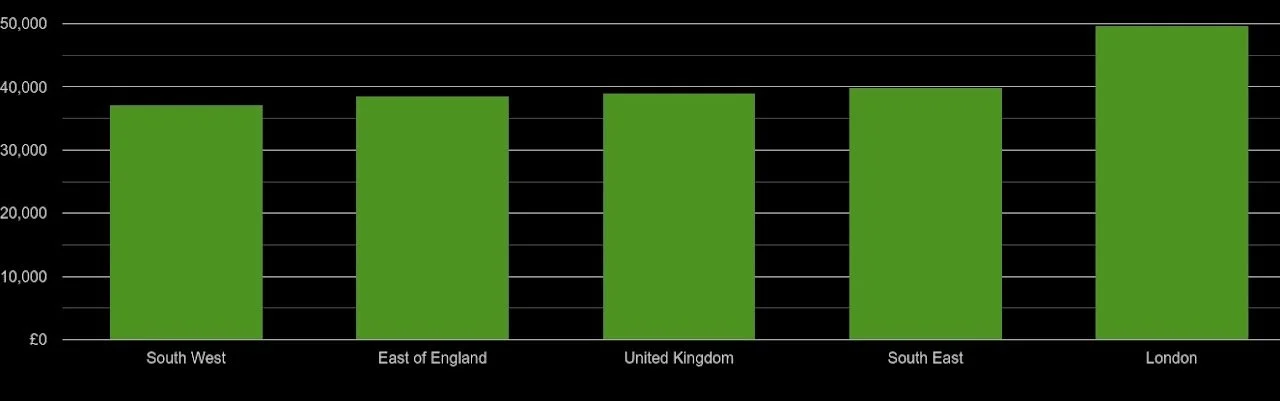
According to several recognised sources, including the Office for National Statistics (ONS) and Statista, the median gross annual salary for full-time employees in London is estimated at around £47,000 to £50,000, which is notably higher than the national average. *According to the latest available ONS data based on 2024 earnings
However, when we place the median gross annual (full-time) salary alongside current rental affordability requirements, which is often set at 30 to 32 times the monthly rent, a different picture begins to emerge.
For example, a property costing £1,600 per month would usually require an annual income of £48,000 to £51,200 to meet these criteria. This places many median earners at, or just below, the threshold, even before other living costs are considered.
In practical terms, this means that even those earning what is considered a “typical” full-time salary in London may still struggle to access the rental market.
The situation becomes even more stark when we look beyond the median. What about those earning £26,000 to £35,000 or less a year—young starters, graduates, early-career academics, or everyday workers such as shop assistants?
And what about single parents—often working part-time out of necessity, not choice—who must still support themselves and their children independently?
These are not edge cases; they are part of the backbone of the workforce. And yet, under current affordability criteria, many are being priced out before they even have a fair chance to participate in the rental market.
And then there are those who have moved from abroad—drawn by the promise of opportunity, work, and a better future—only to find that without an established financial track record in the UK, accessing housing becomes another barrier to overcome.
Landlords and agencies often present guarantors as a simple solution. But in practice, guarantors are frequently required to meet even higher financial thresholds than tenants themselves—sometimes needing to earn more than 30 to 32 times rent.
This assumes access to financial backing that not everyone has.
For those without family support or established networks in the UK, a guarantor is not a solution—it is another barrier. And while guarantor services exist, they come at a cost, adding yet another layer to an already expensive process.
A “solution” that relies on someone else’s financial strength is not a solution—it’s a filter.
And yet another key hurdle in the rental process is referencing. Tenants are typically required to undergo a series of checks—including employment verification, income assessments, credit checks, and previous landlord references.
While these measures are designed to assess reliability, they also assume a level of financial stability and established history that not all applicants have. For first-time renters, those changing careers, working freelance, or moving to the UK from abroad, these requirements can quickly become barriers rather than safeguards.
Referencing is often presented as a standard procedure—but in reality, it acts as a filter that favours those with an established financial and residential history. Those without it are not necessarily unreliable—they are simply at an earlier stage in their journey.
Please note: The quoting of the median salary in London is deliberate. Although the average salary figures are often quoted, they can be misleading—particularly in London, where high earners significantly skew the data. Median income provides a more accurate reflection of what typical working professionals actually earn.
London Median Salary Comparison
The median salary in London is £49.7k. The UK median salary was £39.0k in 2025.
(Image Source: https://www.plumplot.co.uk/London-salary-and-unemployment.html)Ready to RENT?
Share your budget, preferred areas, and rental goals — and we’ll curate a tailored shortlist designed around what’s realistic for you. Reach out today to start planning.